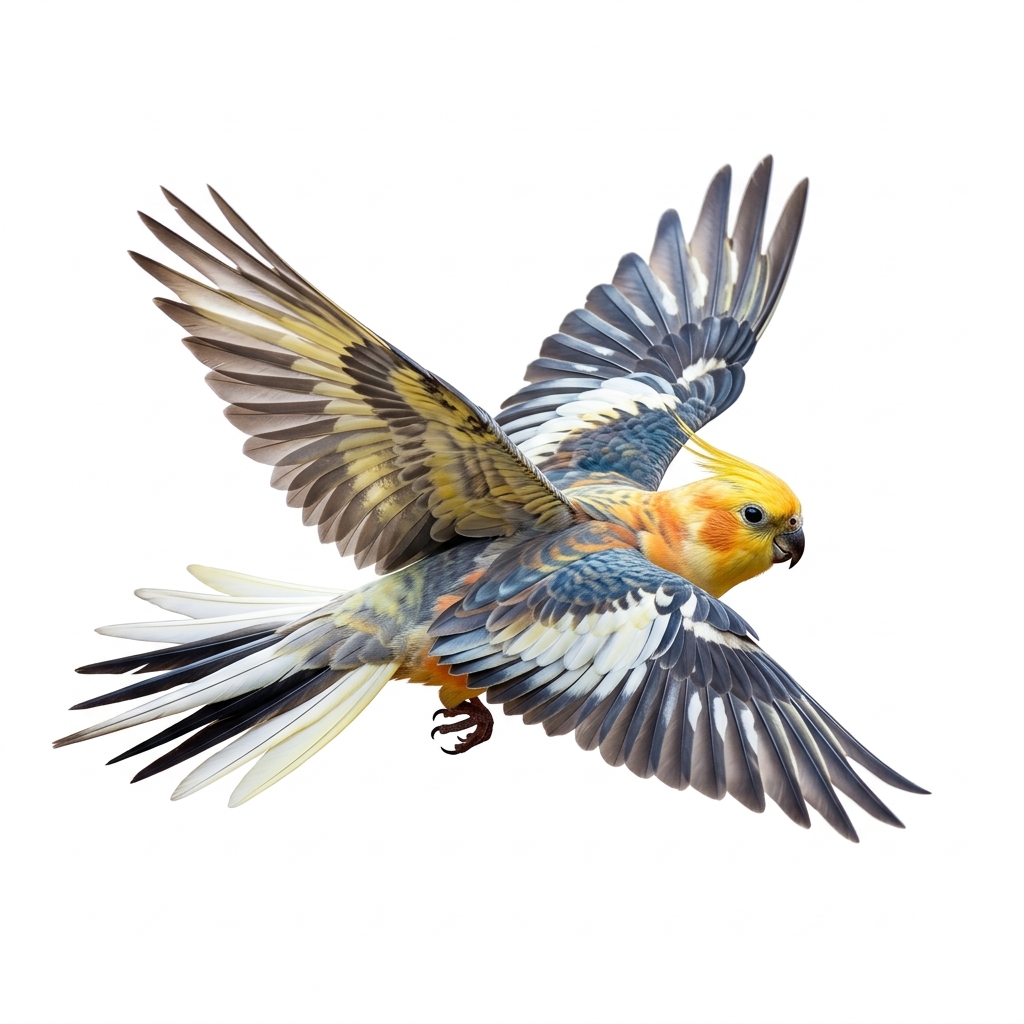
Parrots — including Indian Ringnecks, Alexandrines, Conures, African Greys, and Cockatoos — possess cognitive abilities comparable to a 3-to-5-year-old human child. Leaving a bird of this intelligence in a bare cage with nothing to do inevitably leads to neuroses: feather destructive behavior (feather plucking), aggression, and constant distress screaming.
Understanding Feather Plucking
Before assuming feather loss is purely a skin infection, look closely at your bird's daily routine. If feathers are missing from the chest, legs, and back, but the head remains fully feathered, your bird is actively plucking itself due to stress, boredom, or hormonal frustration.
The Critical Role of Chewing Enrichment
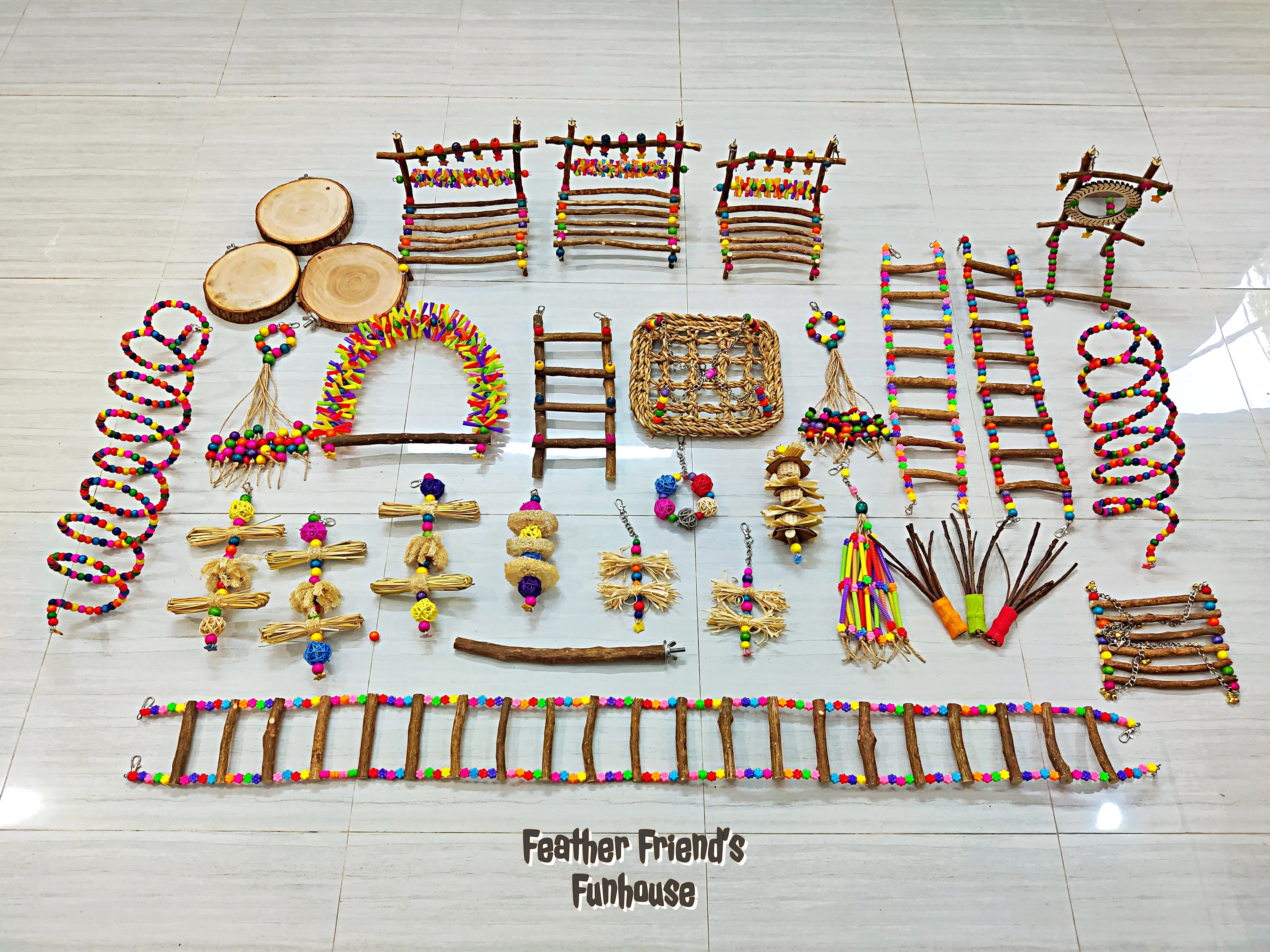
Parrots have an intense psychological need to demolish and shred. In the wild, their powerful beaks excavate tree hollows for nesting. If you do not give them durable wooden toys to destroy, they turn that destructive energy onto their own plumage.
- Provide Daily Chew Blocks: Heavy neem blocks give the beak a safe outlet for force.
- Introduce Foraging Challenges: Never feed your parrot from a simple open bowl. Wrap nuts or fruit in safe paper, or place them inside wooden puzzle boxes.
- Rotate Toys Every 2 Weeks: A toy left in the same corner for months becomes 'invisible' wallpaper. Swap toys weekly to spark curiosity.
- Out-of-Cage Time & Social Interaction: Dedicate at least 1-2 hours daily for supervised social interaction outside the cage.